






How Avalanche Form and Why the Risk Is Higher in Spring
Avalanches are among the most dangerous natural hazards you can encounter in the mountains. Every year, they cause hundreds of injuries and fatalities worldwide, with the highest risk for skiers, ski tourers, and climbers moving in backcountry terrain.
Although avalanches are often associated with high mountain ranges, they can also occur in lower-altitude areas. That’s why it’s important to understand how an avalanche forms, in which conditions the risk increases, and why spring is a period when extra caution is needed in the mountains.
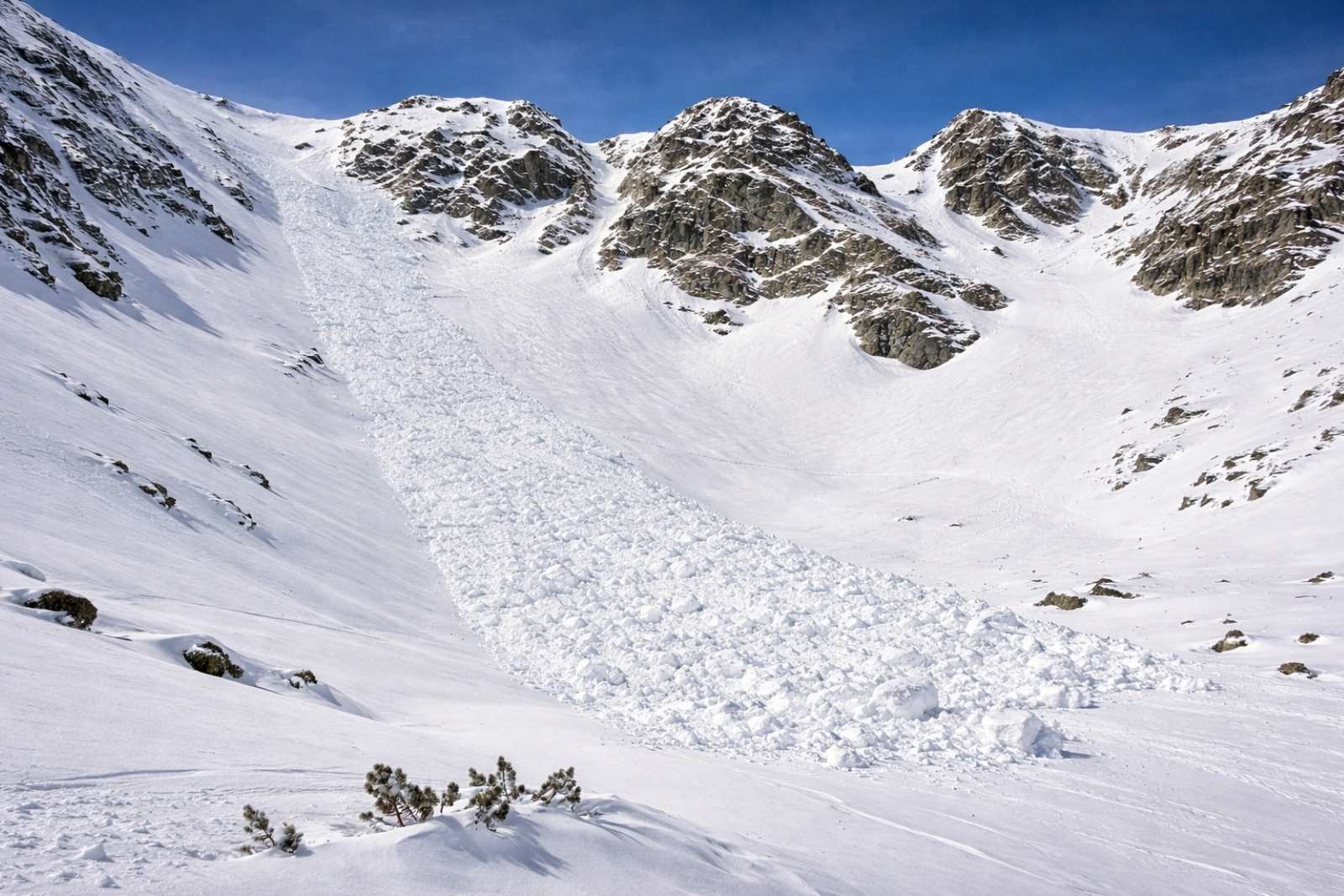
What Is an Avalanche and What Types Are There
An avalanche is a sudden movement of a large mass of snow down a slope. Once released, the snow can pick up additional snow, rocks, or even trees as it moves downhill. Depending on the conditions, avalanches can vary in size, speed, and reach.
Avalanches are most commonly classified based on how the snow is released:
- loose snow avalanches – a smaller amount of snow starts moving and gradually gathers more material
- slab avalanches – an entire layer of snow breaks off and slides down
Slab avalanches are considered the most dangerous and make up the majority of avalanche incidents in mountain terrain. They are often triggered by additional load, such as a skier or snowboarder moving off marked slopes.
How Does an Avalanche Form?
Several factors affect the stability of the snowpack. The most important include:
- wind – redistributes snow and creates snow drifts
- fresh snowfall – increases the load on the slope
- temperature fluctuations – weaken the bonds between snow layers
- sunlight – warms the snow and reduces its stability
- moisture – water in the snow weakens its cohesion
An avalanche occurs when the load on a snow layer exceeds its strength, causing it to break and slide downhill.
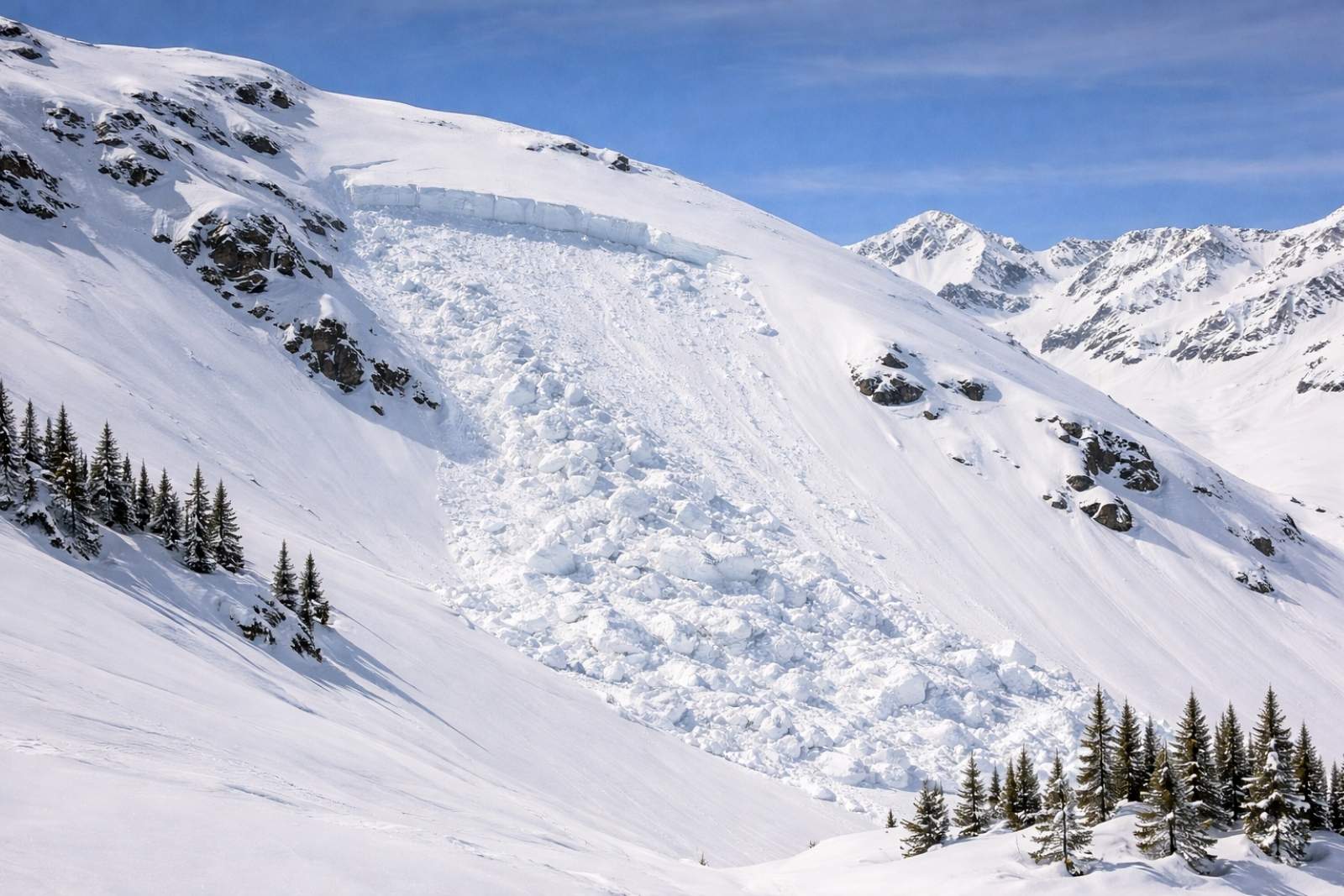
Why Is Avalanche Risk Higher in Spring?
Spring brings specific conditions that significantly affect snow stability.
During sunny days, the snow begins to melt and water penetrates the snowpack. This weakens the bonds between layers, making the snow heavier and less stable.
The increased spring risk is mainly caused by:
• rapid warming after snowfall
• strong sunlight during the day
• wet and heavy snow layers
• a mix of old and new snow that does not bond well
This is why wet avalanches are more common in spring.
How to Stay Safe in the Mountains
Although avalanches cannot be completely prevented, the risk can be significantly reduced through responsible behavior.
When moving in mountain terrain, it is important to:
- check the current avalanche forecast
- follow mountain rescue recommendations
- avoid steep slopes and avalanche paths
- pay attention to weather and temperature changes
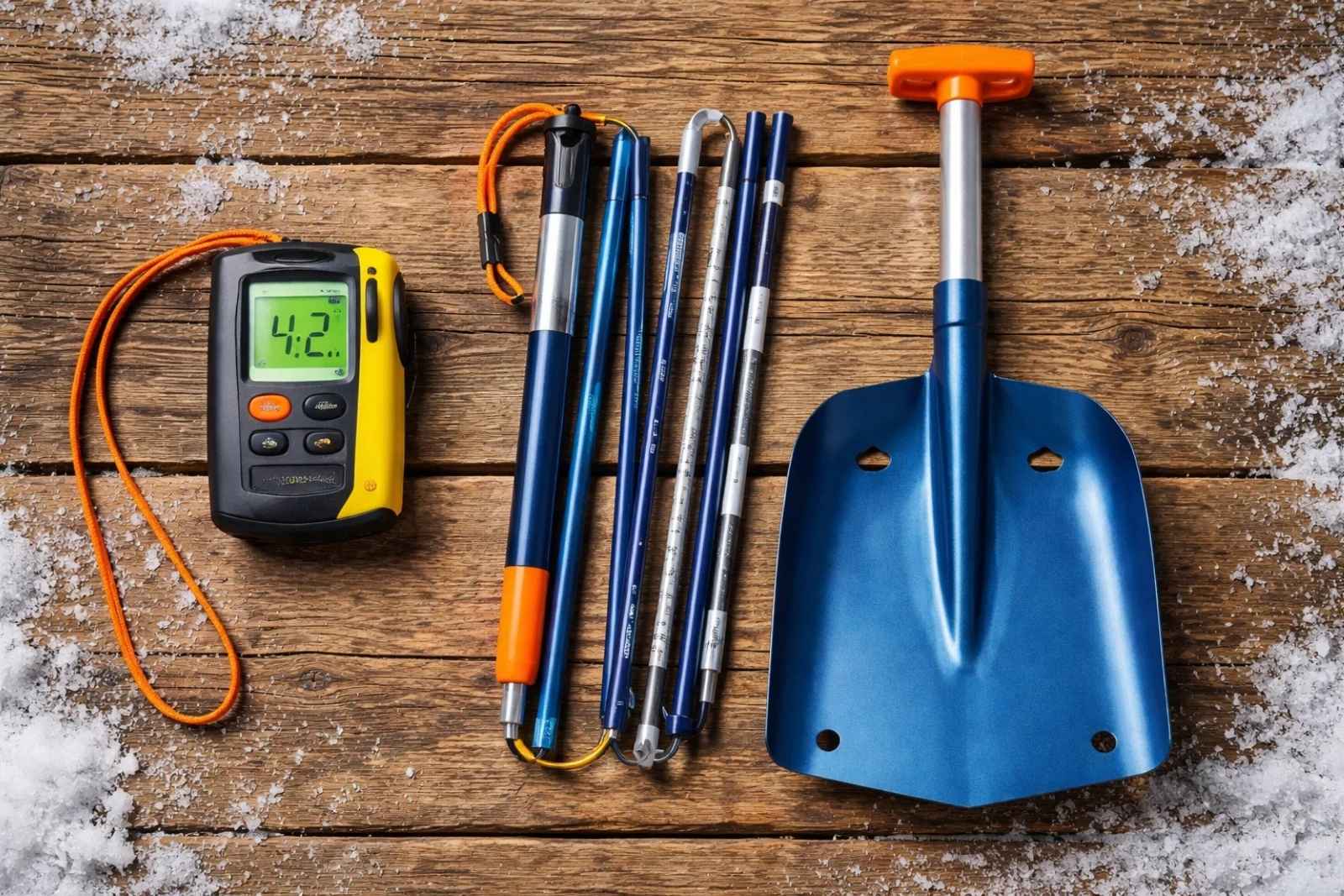
It should also be standard to carry avalanche safety equipment such as a beacon, probe, shovel, or avalanche airbag backpack. In a critical situation, an avalanche backpack can significantly increase the chances of survival – once activated, the airbag helps keep the person closer to the surface and reduces the risk of complete burial.
Can Avalanches Be Predicted?
Avalanches often show warning signs in advance. The most common indicators include:
- cracking or hollow sounds in the snow
- visible cracks in the snow surface
- recent avalanches nearby
- strong wind or rapid warming
If these signs appear, it’s best to choose a safer route or avoid the slope entirely.
What to Do If an Avalanche Starts
In such situations, the first seconds are crucial:
- if you are far enough, try to move to the side of the slope and grab onto trees or terrain
- if you are caught, discard items that may pull you down (such as poles, skis, or a backpack without an airbag)
- try to stay on the surface using swimming-like movements
- as the avalanche slows down, protect your face and create a breathing space
After the avalanche stops, it is important to stay calm and conserve energy, as this increases the chances of survival until help arrives.
Avalanche on Kubínska Hoľa in 1968
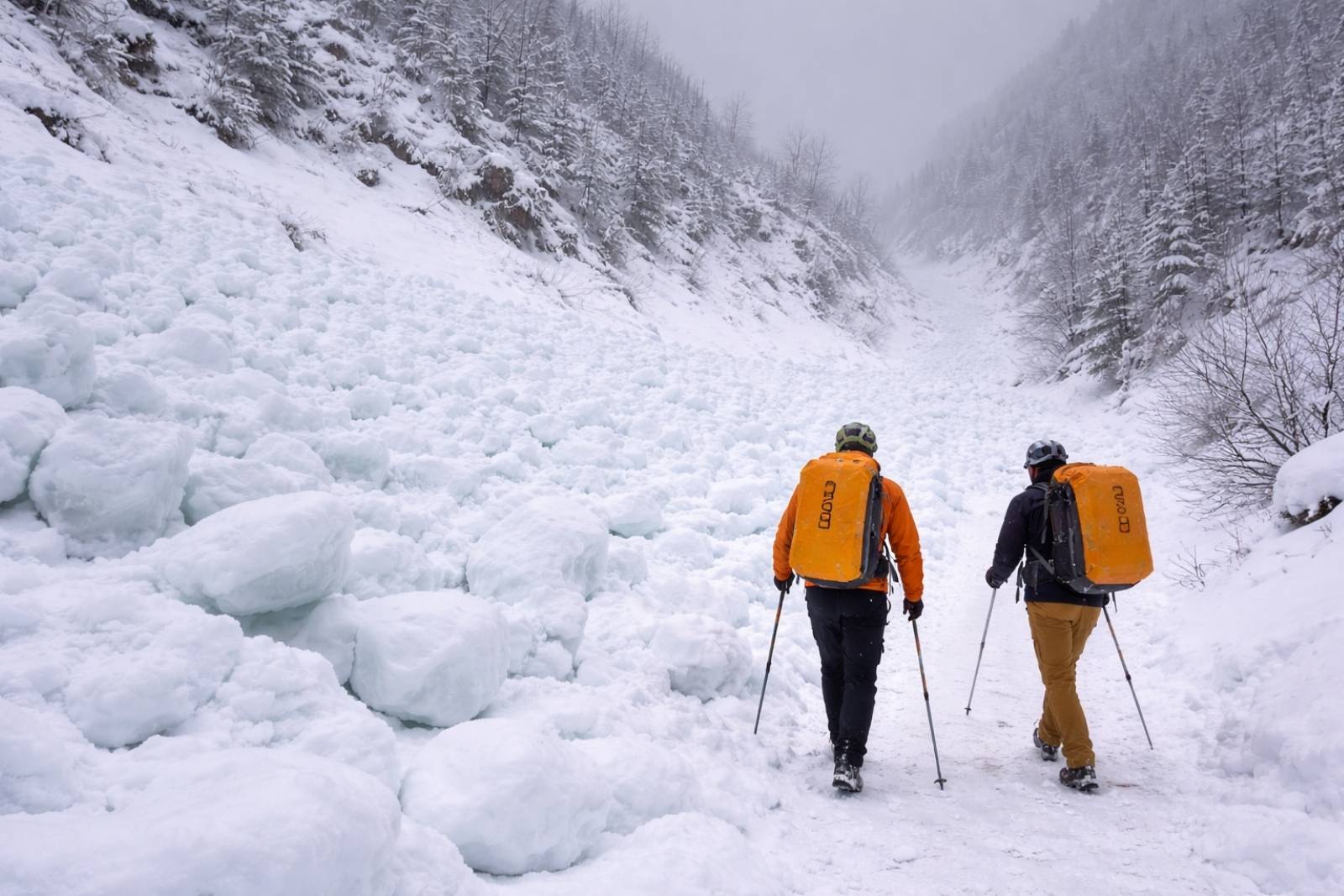
Avalanches are usually associated with high mountain areas, but rare events have also occurred in other parts of Slovakia. One of the most well-known took place on January 16, 1968, on Kubínska Hoľa in the Oravská Magura mountains.
At around 10:15 AM, an avalanche approximately 500 meters wide and 2.5 meters thick was released at an altitude of about 1320 meters. The snow mass moved downhill at a speed of around 100 km/h and traveled more than one kilometer.
At the time, students from the Brno University of Technology were on a ski training course. The avalanche affected 53 people, resulting in six fatalities and several injuries.
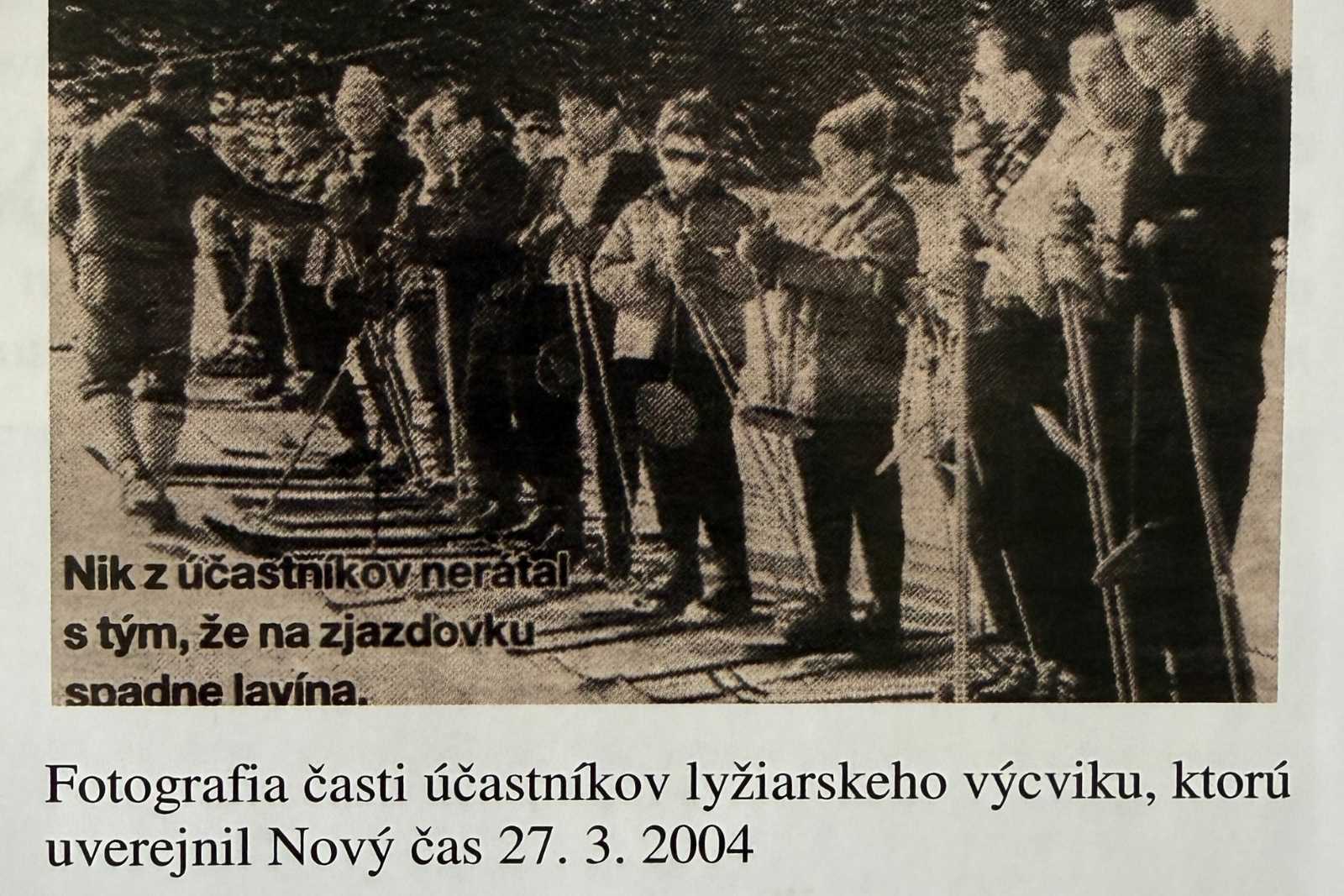
According to historical records, the accident was caused by a combination of weather conditions. After a period of warmer temperatures, a sudden cooling occurred, and new snow did not properly bond with the older frozen layer. Snow drifts had also formed below the summit.
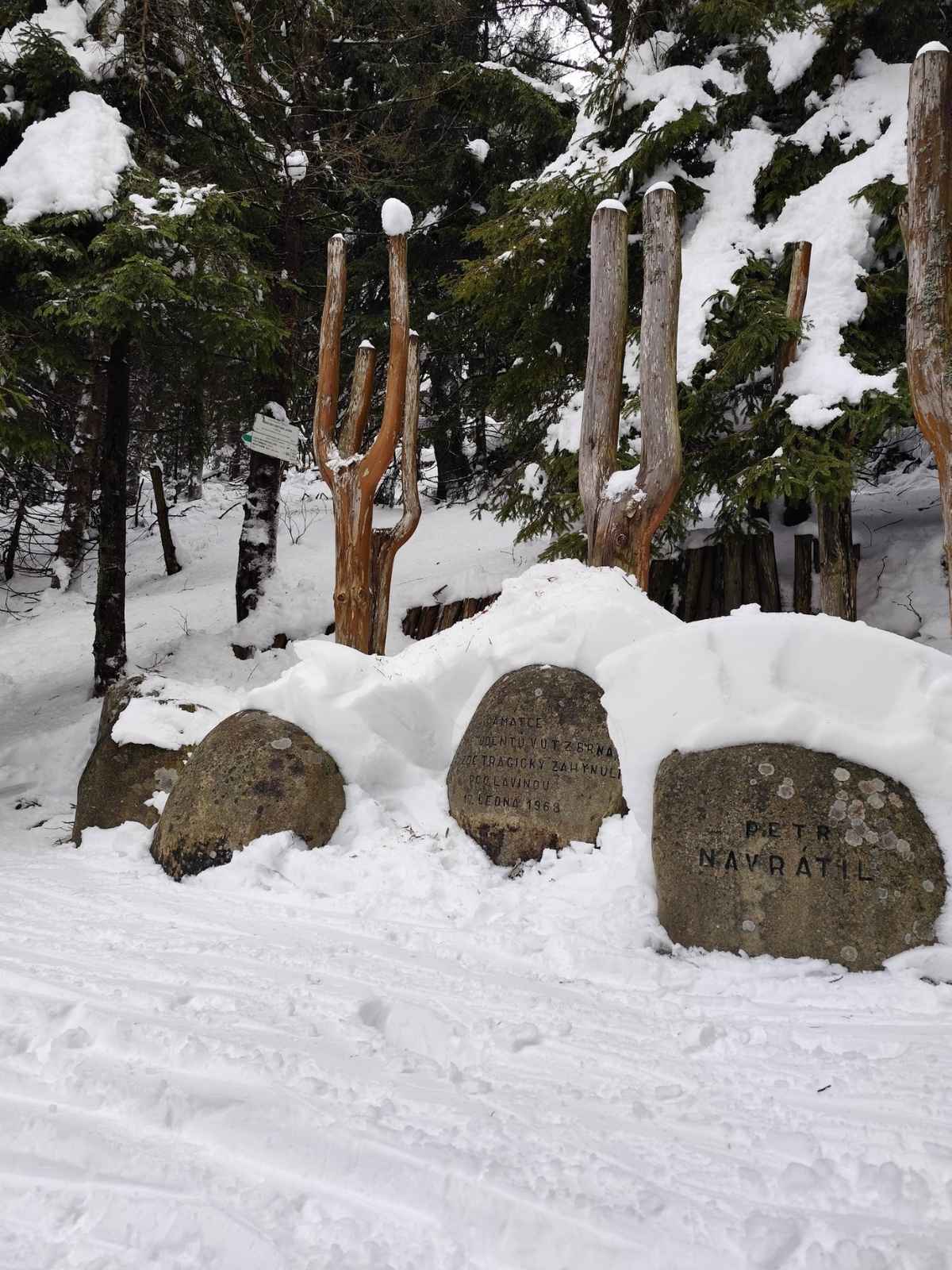
Today, a memorial stands at the site, and the slope is largely forested.
Avalanches are a natural part of mountain environments. That’s why it is important to approach the mountains with respect and not underestimate changing conditions, especially during winter and spring.
By staying informed, following recommendations, and acting responsibly, we can enjoy the mountains while minimizing risk.
Zdieľajte tento blog


- Kubínska
- 23. March 2026
Dalšie články

Recovery After Skiing – Tips to Relieve Your Muscles
- Kubínska
- 2. February 2026
- 4 minutes reading

Where to Go on a Trip When It Rains? These 11 Tips Will Surprise You with Their Variety
- Kubínska
- 23. November 2025
- 5 minutes reading

SMART Pricing: The Most Expensive Skipass Is the One You Don’t Buy in Advance
- Kubínska
- 5. November 2025
- 4 minutes reading
Together we make stories.
Together we are #kubinska




 © 2026 ORAVA SKIPARK, a.s.