




How to prepare your ski equipment before the season
A gouge in a ski base, a cracked buckle or a missing glove is easier to deal with at home than in the car park at the foot of the slopes first thing in the morning. Before your first ski day, get your gear out early and check everything from your skis to your helmet. You’ll see what’s ready and what’s worth taking to a ski workshop.
A five-step pre-season checklist
- Skis and poles. Check the edges for rust and the bases for deep scratches. On your poles, check the tips, baskets and wrist straps.
- Bindings. Look for any visible damage. If you have new ski boots or someone else will be using your gear, have the bindings checked at a ski workshop.
- Ski boots. Try them on with your ski socks and check the buckles, straps and soles.
- Helmet and goggles. Put them on together. Check that the helmet fits snugly, the chin strap fastens securely and the goggle frame doesn’t press on your nose.
- Clothing. Try on all your layers together. Check your zips and gloves, and make sure you can bend forward and bend your knees comfortably.
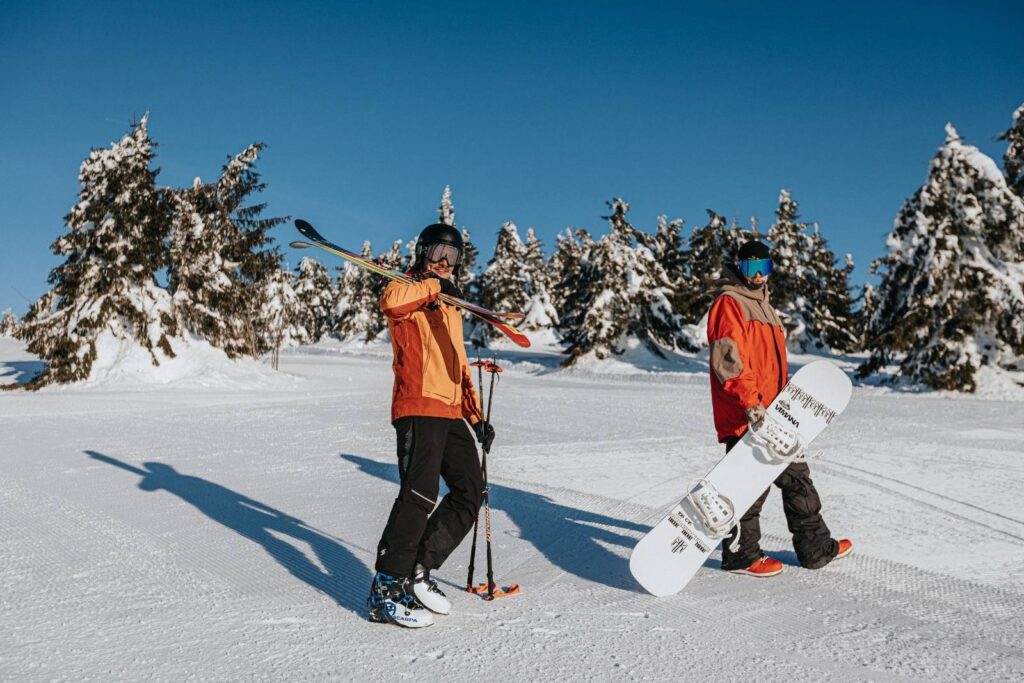
Ski servicing – an essential part of getting ready
Look over your skis in good light. Focus on three areas.
- Edges. Check them from end to end for rust or nicks.
- Bases. Look for deeper scratches and dull or whitish patches. Depending on the condition of the bases, they may just need waxing or they may need a repair.
- Bindings. Look for cracks or other damage. If you’ve changed your boots or someone else will be using the skis, have a technician check the binding settings.
Check the tips, baskets and wrist straps on your poles.
Why is it worth taking your gear to a professional?
If you find deeper scratches or damaged edges, a ski technician can assess what your skis need. Sharpened edges grip better on hard-packed snow, and waxed bases glide more smoothly. The technician can also check the bindings and make sure they’re compatible with your boots. Bring both your skis and the boots you’ll be skiing in to the workshop.
At a professional ski workshop, experienced technicians use precision equipment and know which edge angle, type of wax and pressure are best suited to your skis. They’ll adjust your bindings to your weight, height and skiing style, so you can be confident your gear is working as it should. At Kubínska, you’ll find just such a workshop inside the Najšport shop, right by the lower lift station.
Well-serviced skis are easier to control, last longer and help you ski more safely throughout the season.
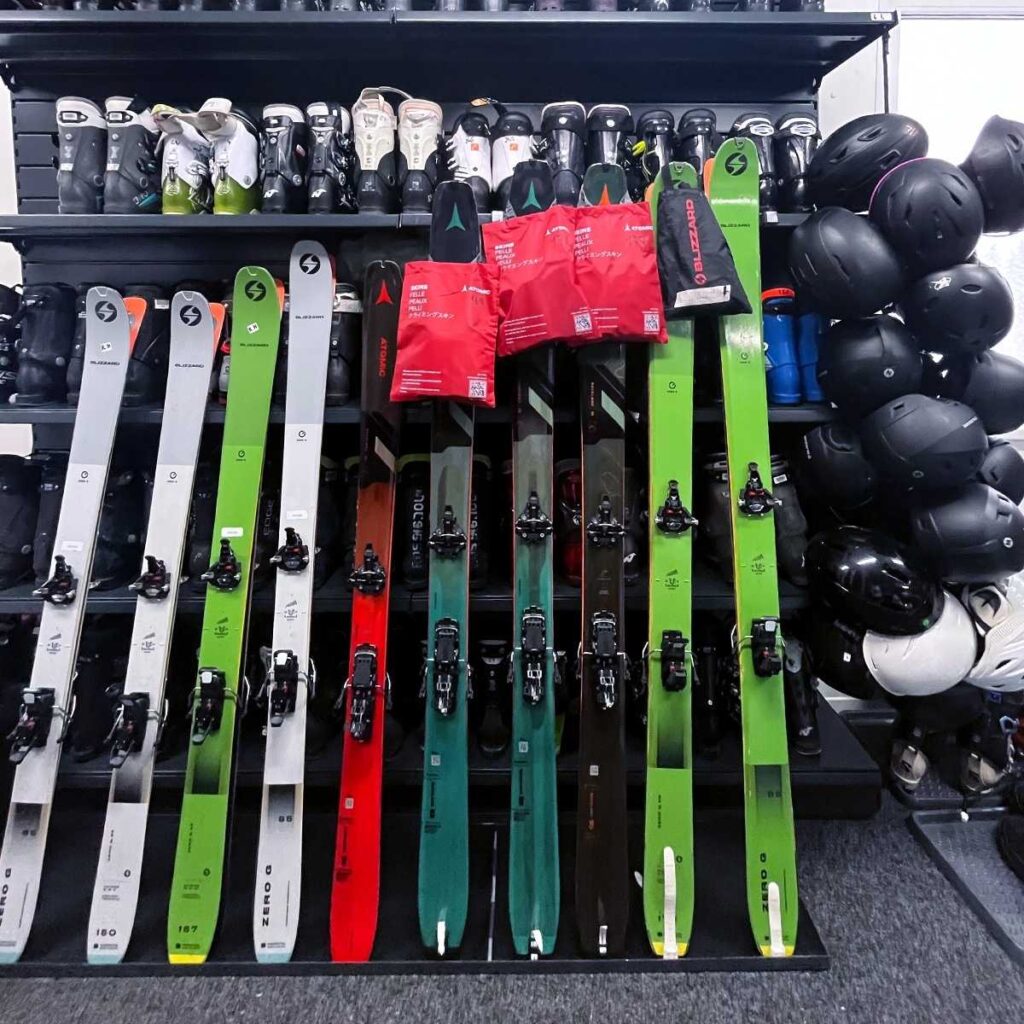
Check that your ski boots fit properly
Put on your boots with a single pair of the socks you usually ski in. Fasten the buckles, bend your knees slightly and shift your weight forward as you would when skiing. Your heel should stay in place, and the hard parts of the boot shouldn’t dig in as you move.
Check the buckles, straps and liners. Look at the soles where they come into contact with the bindings. If they’re badly worn or damaged, show them to the technician when you take your gear in. If your boots keep pressing on the same spot, the shop can advise whether a professional adjustment to the liner or shell would help.
Allow extra time for children’s ski gear. Even if their boots fitted at the end of last winter, have them try them on again before the season starts. If they need a bigger pair, get the bindings checked with the new boots.
What should you wear to stay warm and comfortable on the slopes?
You’ll warm up on the way down, sit still on the lift, and feel the cold differently when the wind picks up or it starts to snow. Dress in layers so you can add or remove one as conditions change.
- The first layer (base layer) wicks sweat away from your skin.
- The second layer (insulating layer) keeps you warm.
- The third layer (outer layer) protects you from wind, snow and rain.
When choosing what to wear, look at the fabric’s waterproof rating and breathability. These two figures tell you how well the garment will handle winter conditions.
- Waterproof rating is measured in millimetres and indicates how much water pressure the fabric can withstand before it starts to leak. A rating of 5,000 mm is enough for recreational skiing, but if you spend long hours on the slopes or ski in snowfall, look for a jacket rated at 10,000 mm or higher.
- Breathability, expressed in g/m²/24 h, tells you how quickly moisture can escape from inside the garment. If you tend to work up a sweat while skiing, look for a rating of over 8,000 g/m²/24 h to help you stay dry and warm.
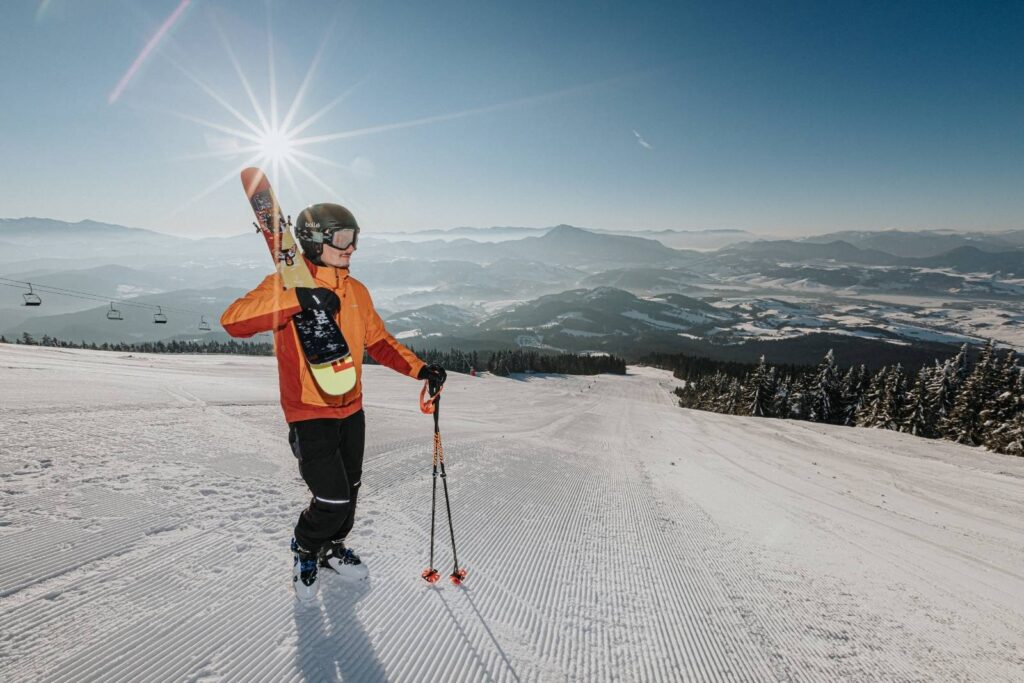
Practical details such as ventilation zips, snow cuffs and adjustable hoods make a real difference to comfort. If you ski with a backpack or with children, you’ll also appreciate extra inside pockets for small items and your skipass.
Remember to pack good-quality gloves and socks made from technical materials, ideally with some merino wool or a breathable membrane that lets moisture escape while keeping the cold out. Little details like these can make the difference between enjoying your day on the slopes and spending it with freezing fingers.
Protective gear – helmet, goggles and protectors
Your helmet should fit snugly, stay in place when you move your head and fasten securely. Check the shell, chin strap and buckle. If your helmet has taken a hard hit, replace it even if there’s no visible damage on the outside. In Slovakia, skiers under 18 must wear a securely fastened protective helmet on ski slopes.
Try on your goggles with the helmet you’ll be skiing in. The frame should fit snugly against your face and sit comfortably around your nose. If you’re planning to ski in the evening, pack a clear lens or one designed for low light. Evening skiing at Kubínska
Depending on how you ski, you may also want to consider a back protector. Try it on with your jacket to make sure you can move freely.
What extras should you pack?
✅ A goggle cleaning cloth
✅ A ski carry strap
✅ Sunscreen and lip balm with UV protection
✅ A flask for hot tea
✅ A skipass holder
✅ Technical layers
✅ A power bank or a charged phone
✅ A hat / neck warmer / balaclava to wear under your helmet
✅ Reflective details on your clothing if you ski in the evening
How to look after your ski gear after a day on the slopes
When you get back from the slopes, take your gear out of the car and let it dry thoroughly. A few simple steps will help keep your edges from rusting and make sure your boots and gloves are dry for your next ski day.
- Skis. Remove any snow and traces of salt, then wipe the edges dry.
- Ski boots and gloves. Take them out of your bag and undo the boot buckles. Leave everything to dry at room temperature, away from the radiator.
- Goggles. Let them air-dry. Avoid rubbing the inside of the lens, as this can damage the anti-fog coating.
Getting your gear ready is a little ritual that gets you in the mood for winter. Give it a few hours of attention and you’ll welcome the season with sharp edges, comfortable boots and a smile under your helmet.
Already know when you’re heading to the slopes? Check out the latest skipass options in the Kubínska e-shop.
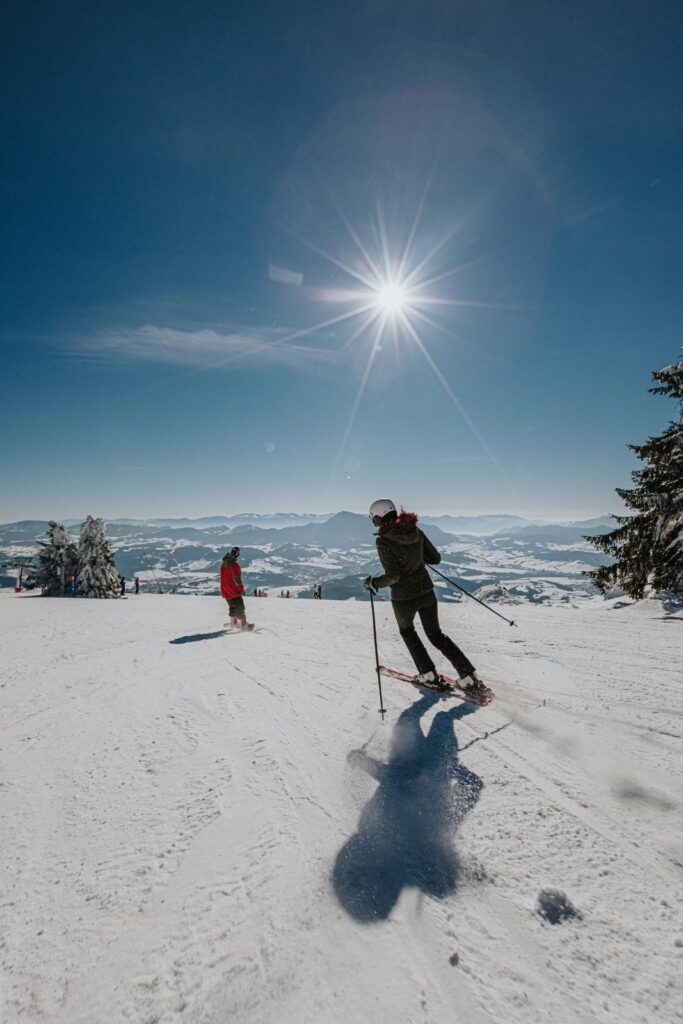
Once your gear is ready, it’s time to plan your perfect winter getaway. Accommodation, a skipass with FASTPASS, evening skiing, a visit to the castle and water park, and plenty more to enjoy. It’s all included in the great-value ZIMA360° package, so you can enjoy a comfortable winter break without the hassle of planning it all.
Book your stay now and enjoy a winter holiday in Orava from every angle.
Zdieľajte tento blog


- Kubínska
- 6. November 2025
Dalšie články

TOP 15 Christmas Movies That Will Make the Holidays Even More Magical
- Kubínska
- 3. December 2025
- 9 minutes reading
A winter holiday in Orava without the planning
- Kubínska
- 17. November 2026
- 10 minutes reading

Where to Go on a Trip When It Rains? These 11 Tips Will Surprise You with Their Variety
- Kubínska
- 23. November 2025
- 5 minutes reading
Together we make stories.
Together we are #kubinska



 © 2026 ORAVA SKIPARK, a.s.